









Printed Personalized Storybooks for Kids
Some stories are perfect for a screen. Others deserve to be held, gifted, signed, and opened again for years.
A printed personalized storybook turns your child’s story into something physical and lasting. It gives families a way to move from “that was lovely” to “let’s keep this.” At MIBOOKO, print is not a separate product idea. It is one of the ways families can enjoy the same story experience — alongside digital reading and audio options. MIBOOKO already presents print as one of its main formats, alongside ebook, audiobook, and parent voiceover, and it distinguishes the story experience from the format used to enjoy it.
Compare Storybook Formats →
Hardcover and paperback are available. Photo upload is optional. Stories are built within guided, child-aware frameworks, and MIBOOKO provides Help, Methodology & Safety, and Research pages to explain how the experience works.
Why families choose a printed personalized storybook
A printed book changes the role of the story.
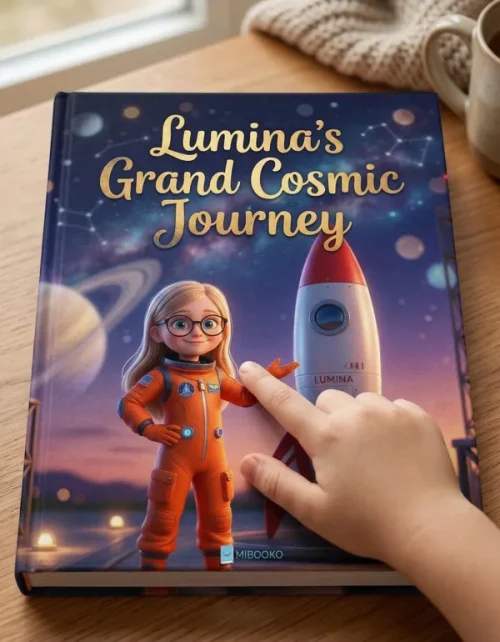
It feels more giftable. It feels more permanent. It is easier to pull from a shelf, wrap for a birthday, bring to a grandparent’s home, or return to during bedtime. MIBOOKO already frames printed books as something families may want to hold, gift, and revisit, not just consume once.
For many families, print is the format that turns a personalized story into:
- a keepsake
- a bedtime object
- a meaningful gift
- a rereadable family memory
- a shelf-worthy part of the child’s world
What gets personalized in a printed book
The print format should not feel generic. The value comes from carrying the same personalized story into a physical edition.
At MIBOOKO, personalization across the live site already includes the child’s name, appearance choices, optional avatar-based setup, emotional direction, theme or occasion selection, and dedication-style personal details depending on the story type. Photo upload is optional across the live experience.
A printed MIBOOKO storybook can be positioned as a book that keeps:
- the child as the hero
- the chosen story type or occasion
- the selected illustration direction
- the personalized reading tone
- the dedication or family message where relevant
Hardcover or paperback?
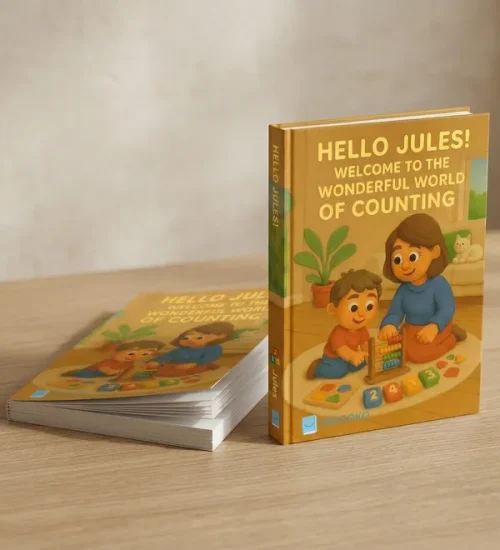
Both formats matter, but they serve slightly different family needs.
Paperback
Best when you want:
- a more flexible everyday reading copy
- an easier first print purchase
- a lighter book for travel or grandparents
- a lower-friction gift add-on
Hardcover
Best when you want:
- a stronger keepsake feel
- a more premium gift
- a display-worthy birthday or holiday present
- something that feels more permanent from day one
When print is the best fit
Print is usually the strongest choice when the parent’s goal is not just convenience, but presence.
Choose print when the story is meant to be:
- wrapped and given
- read together in bed
- revisited across months or years
- saved after a milestone
- placed on a shelf with the child’s favorite books
That makes print especially strong for birthdays, Christmas, Mother’s Day, Father’s Day, new sibling stories, and other meaningful family moments already present inside MIBOOKO’s special-moments ecosystem.
How MIBOOKO print works
MIBOOKO’s own live structure already makes the key distinction clear: first you choose the story experience, then you choose the format. That is exactly how this page should explain print.
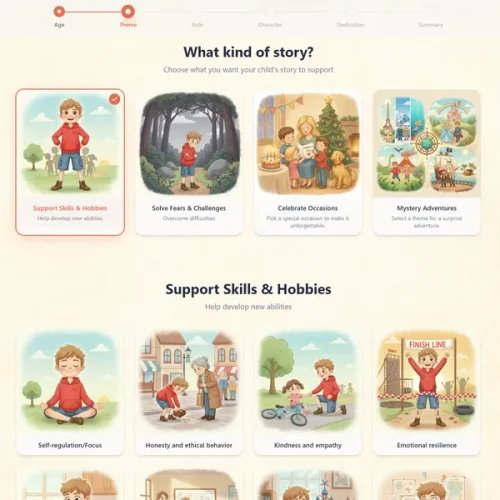
Step 1 — Choose the right story experience
Start with the type of story that fits your family:
- support child’s skills
- special moment story
- confidence or feelings story
- themes and adventures
Step 2 — Personalize the hero and story direction
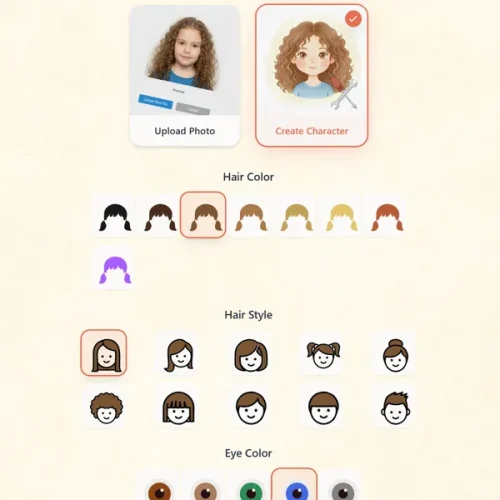
Choose the child’s details, story preferences, and any relevant dedication or family context. Photo upload is optional. Avatar-based personalization is already part of the live MIBOOKO experience.
Step 3 — Add the printed edition
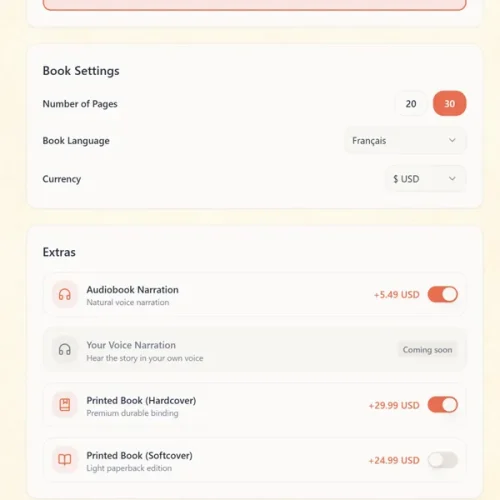
Once the story direction is right, choose the printed version that fits your family best. MIBOOKO’s Help Center explains that digital ebooks are typically ready quickly, while printed books follow the selected production and shipping option.
Why parents can trust the process
A printed personalized children’s book only feels premium if the process behind it feels credible.
MIBOOKO already has the right trust foundations live:
- a Help Center for formats, access, support, and AI / safety topics
- a Methodology & Safety page explaining boundaries, age-appropriateness, optional photo-free personalization, and the fact that books are generated within guided systems rather than manually reviewed one by one unless stated otherwise
- a Research page that frames MIBOOKO as research-informed without making inflated claims
Why printed personalized books make strong gifts
The strongest print use case is gifting.
A personalized printed book works because it carries three things at once:
- the child’s identity
- the parent’s intention
- the memory of the occasion
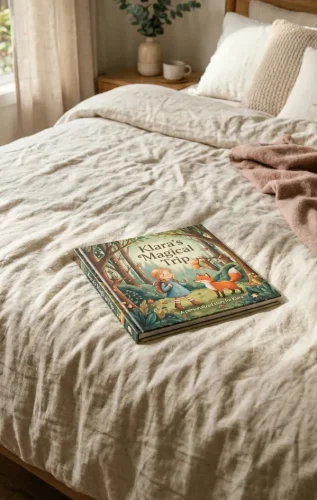
That is why print belongs close to special-moment pages and holiday / milestone routes. The special-moments hub already frames these stories around birthdays, holidays, new baby, farewell, and family memory. Print should be the keepsake layer for that whole cluster.
FAQ
Are printed personalized storybooks available in both paperback and hardcover?
Yes. MIBOOKO already presents printed books as a live format option and explains that families can choose between paperback and hardcover. The formats page positions paperback as the more practical option for regular reading and everyday family use, while hardcover is framed as the more premium keepsake choice for birthdays, milestone gifts, and stories you want to preserve for longer. That distinction is useful because parents are often not deciding whether they want personalization, but what kind of printed experience they want around it. If the goal is a lighter reading copy, paperback is usually enough. If the goal is a keepsake or gift, hardcover is often the stronger fit.
Do I need to upload a child photo to order a printed personalized storybook?
No. MIBOOKO’s trust and support pages already make clear that photo-free personalization is part of the product logic and that families can still create a highly personal story without uploading a real child photo. That matters for parents who want personalization without sharing more than they are comfortable sharing. In practice, the safer framing here is not “upload a photo or lose quality,” but “choose the level of personalization that feels right for your family.” If a parent is unsure which route to choose, the Help Center explicitly says the MIBOOKO team can point them toward the right story, format, or support option.
Are printed books covered by the 100% Smile Guarantee?
No. The live guarantee page is explicit that the 100% Smile Guarantee applies to digital eBooks and does not cover printed books, audiobooks, or hardcover / softcover editions. That should be stated clearly on the pillar page because hiding that difference would damage trust. The right way to handle it is not to blur the policy, but to explain it cleanly: digital products are covered by the guarantee, while printed books are a separate physical format with different fulfillment and production realities. You can still direct users to Help Center, Methodology & Safety, and Customer Stories to support confidence before purchase.
When is a printed personalized storybook a better choice than a digital version?
Print is usually the better choice when the parent wants the story to feel more lasting, more giftable, and easier to return to as part of family routine. MIBOOKO’s formats page already describes print as something a child can hold, revisit, keep on a shelf, and bring to bed, which is a different use case from a file that lives on a device. That makes print especially strong for birthdays, milestone gifts, grandparents, bedtime rereads, and keepsake moments. Digital is still useful for speed and convenience, but print is stronger when the emotional role of the book matters just as much as the story itself. The right page behavior is to help the parent understand that difference, not treat all formats as interchangeable.
Why do parents choose printed personalized storybooks as gifts?
Because they do two jobs at once. They give the child a story that feels personal, and they give the adult a gift that feels intentional rather than generic. MIBOOKO’s print framing already leans into the idea that a printed book changes the role of the story: it becomes something the child can keep, notice on a shelf, revisit, and associate with a specific moment. Customer Stories also reinforce that parents value the emotional reaction, reread value, and keepsake quality of the product rather than seeing it as a one-time novelty. That is why print works especially well for birthdays, milestone gifts, bedtime surprises, and “something more meaningful than another toy” moments.
What makes MIBOOKO different from generic print-on-demand story products?
The difference is not only that MIBOOKO prints personalized stories. It is that the live trust pages describe a more controlled and family-aware content approach before anything is printed. The research page explains that MIBOOKO uses age-aware structure, child-friendly emotional pacing, and themes such as confidence, calm, empathy, friendship, and everyday challenges at the framework level. The Methodology & Safety page adds that the system uses content boundaries to reduce the risk of inappropriate material and handles sensitive topics with calm language, no graphic detail, and an emphasis on safe choices, trusted adults, and supportive repair. That gives parents a clearer reason to trust the printed result, especially if they are comparing MIBOOKO with more generic personalized story products that do not explain their boundaries clearly.