















Honesty and Values Storybook for Kids
A calm, personalized story that helps your child practice telling the truth, making repairs, and feeling proud of doing the right thing—without shame or lectures.
- “Little lies”, hiding mistakes, blame-shifting, fear of getting in trouble
- Best for ages 2-9
- Bedtime, after school, or “repair time” after a conflict
This story is about building courage and responsibility—not perfection.

Signs your child may need this
You might find this story helpful if your child:
Hides small mistakes (spilled juice, broken toy)
Says “It wasn’t me” even when you both know it was
Tells “quick lies” to avoid trouble or disappointment
Struggles to admit faults with siblings or friends
Gets upset when corrected and doubles down
Feels anxious about being “in trouble”
Needs safer words for apologizing and repairing
What this story helps practice
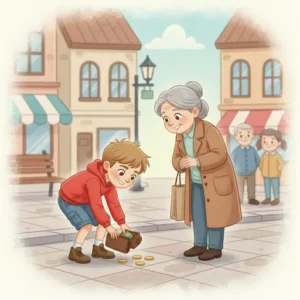
In a warm, child-as-hero way, your story helps your child practice:
Telling the truth in a safe way (“I want to say what happened…”)
Taking responsibility without melting down
Repairing (making it better, not just saying sorry)
Noticing feelings (worry, shame, pride) and choosing the next step
Learning that honesty builds trust—and trust feels good
How personalization works
Every child’s story is different because every child is different. You choose your child’s name and details, pick a theme they already love, and select the kind of “honesty moments” you want to practice (like admitting a mistake, returning something, or telling the truth when it’s hard). The story is written in a calm, age-appropriate tone and designed for read-together conversations—so your child learns the words and choices that feel realistic in everyday life.
Learn more about our Methodology & Safety →
Example story moments
“The Hidden Problem”
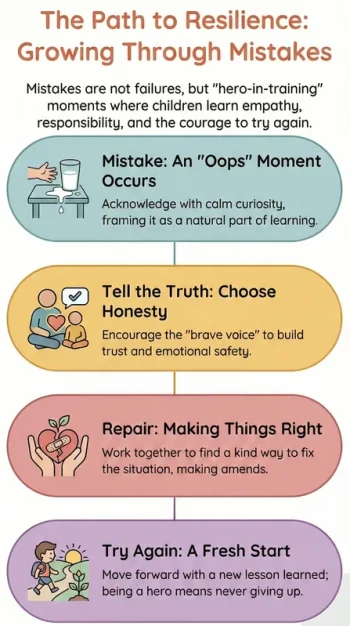
Your child hero makes a small mistake and feels nervous—then learns a safe way to tell the truth.
“The Brave Words”
A kind grown-up character shows a simple script: what to say when honesty feels scary.
“The Repair Mission”
The hero makes things better with one small action—and feels proud, not embarrassed.
Read-together prompts
Ask your child:
What part felt hardest for the hero—telling the truth or fixing the problem?
What do you think the hero was afraid would happen?
If you were the hero’s helper, what would you say?
What’s a “small honest step” the hero could take first?
What does a good apology sound like in this story?
How did the hero make it better—what was the repair?
When did the hero feel proud?
What would you do if you were the friend in the story?
Tiny parent tip:
When kids lie, it’s often about fear. This story helps you practice: safety first, honesty second.
Tiny parent tip:
Praise the step, not the perfection: “Thank you for telling me. That was brave.”
Pair it with a theme they already love
If your child loves journeys and discoveries, a travel theme turns “doing the right thing” into a friendly mission—perfect for practicing honesty and repair in a playful way.
Related skills & challenges
Kindness & Empathy
Because honesty often needs a soft landing: noticing feelings, making amends, and caring about others.
Self-Regulation & Focus
Because pausing before reacting makes it easier to tell the truth and choose a better next step.
Back to Skills & Challenges Hub →
Designed with care
This page is written for parents who want gentle, age-appropriate support. We focus on calm language, respectful boundaries, and read-together prompts that help your child practice real-life words and choices.
Links:
FAQ
Is this story meant to replace parenting or professional help?
No. It’s a gentle story tool for read-together practice and family conversations. If you’re worried about your child’s safety or wellbeing, it’s always best to seek qualified support.
What if my child gets embarrassed when we talk about honesty?
That’s common. Read it as a “hero story,” keep your tone warm, and focus on brave steps—never on blame.
Does the story call my child a liar?
No. The language stays respectful and supportive. The focus is on courage, repair, and learning.
Can I choose what kind of honesty situation the story includes?
Yes. You can steer the focus toward everyday moments (small mistakes, returning something, admitting a mix-up) to match your child’s age.
What’s a good way to use this at home?
Read at bedtime or after school. Pause at key moments and use the prompts. The goal is calm repetition, not a one-time “big talk.”
What if the same issue keeps happening?
Use the story as a routine. Reinforce the same small script (“Tell me what happened. We’ll fix it together.”) and celebrate honest steps.
Ready to make honesty feel easier?
Create a personalized story that gives your child safer words for real moments—then practice together in calm, everyday ways.
Browse all skills & challenges →