















Emotional Resilience Storybook for Kids
A personalized story that helps your child handle frustration, calm down, and try again. It builds confidence in small, everyday steps.
Gentle, age-appropriate, and made for read-together moments.
- Best for: frustration, giving up, perfectionism, “I can’t”, big reactions
- Best for ages 2-11+
- Great moment: bedtime, after school, before a new challenge, after a tough day
Resilience is not being “tough.” It is learning how to recover.

Signs your child may need this
You may find this story helpful if your child:
Gets upset when things are not easy
Stops trying after one mistake
Says “I can’t” quickly
Wants to do it perfectly, or not at all
Has strong reactions to losing or being corrected
Needs calmer words for “I am frustrated”
Needs help returning to the task after a hard moment
What this story helps practice
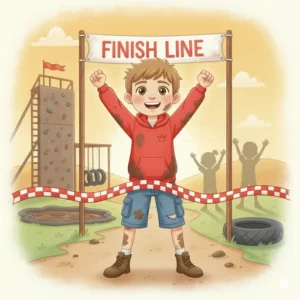
This emotional resilience storybook helps your child practice:
Naming feelings in simple words
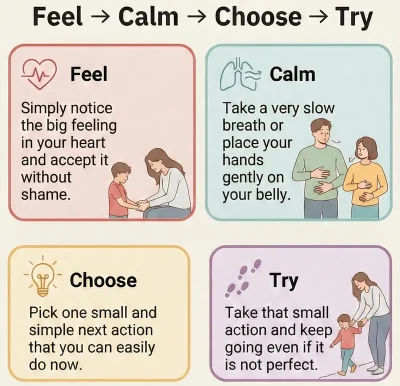
Calming down with a short routine
Trying again after a mistake
Asking for help in a confident way
Noticing progress (small steps count)
How personalization works
Children learn more when the story feels familiar. You choose your child’s name and details, pick a theme they love, and select the type of “try again” moments you want to practice. The story uses calm, age-appropriate language and includes read-together prompts. This helps you repeat the same supportive phrases in real life, when frustration appears.
Learn more about our Methodology & Safety →
Example story moments
“The Hard Part”
The hero faces a challenge that feels too big at first.
“The Calm Reset”
A friendly character shows a short way to calm down.
“The Try Again Plan”
The hero chooses one small step and tries again, with support.
Read-together prompts
Ask your child:
What was hard for the hero today?
What feeling did the hero have first?
What helped the hero calm down?
What was the hero’s next small step?
What would you say to the hero as a helper?
When is it hardest for you to try again?
What is one small thing you want to practice this week?
How did the hero feel after trying again?
Tiny parent tip:
Use simple words. Short phrases are easier to remember when emotions are big.
Tiny parent tip:
Celebrate effort. Effort is the path to confidence.
Pair it with a theme they already love
A pirate adventure makes “try again” feel like a fun mission. It keeps the mood light while your child learns brave, calm steps.
Related skills & challenges
Bullying / Social Exclusion
Because resilience helps children recover after hard moments with peers.
Back to Skills & Challenges Hub →
Designed with care
This story is made for parent-first, age-appropriate reading. The goal is simple: give your child calm words and small steps they can reuse in real moments.
Links:
FAQ
What does “emotional resilience” mean for a child?
Emotional resilience means your child can return to calm after a hard moment. It does not mean your child never cries or never gets upset. It means your child can feel the emotion, then recover and keep going. This story helps children learn that feelings are normal. It also shows a simple path forward: calm the body, choose one next step, and try again.
How can a story help my child try again in real life?
Stories are safe practice. Your child can see a hero struggle, feel frustrated, and still continue. That gives your child a model they can copy. When you read together, you can pause and talk about the moment. Later, when a similar situation happens at home or at school, you can reuse the same short phrase from the story. This repetition makes “try again” feel familiar and possible.
My child wants everything to be perfect. Is this story a good fit?
Yes. Many children avoid trying because they fear mistakes. This story gently shows that mistakes are part of learning. It supports the idea that small progress matters. You can use the prompts to focus on effort and steps, not on being perfect. Over time, children often become more willing to practice, because the pressure feels lower.
What is a simple “try again” routine I can use after reading?
Keep it short and consistent. For example:
Name the feeling.
Do one calm breath.
Choose one small step.
Try that step.
The story repeats this pattern in a friendly way. Your child learns it without a long lesson.
What if my child says “I can’t” and refuses to continue?
Start by agreeing with the feeling, not arguing. You can say, “This is hard.” Then offer one very small step that is easy to begin. The goal is not to finish the whole task. The goal is to restart movement. The story helps because it shows the hero taking a small step first. That makes the next step feel less scary.
Is this story only for bedtime?
Bedtime is a great time because children are calmer. But you can also use it before a new activity, after school, or after a tough day. The key is to read when you have a few quiet minutes. Even one short section plus one prompt can help your child remember the “calm and try again” pattern.
Ready to build stronger “try again” moments?
Create a personalized emotional resilience storybook. Help your child calm down, choose one next step, and continue with confidence.
Browse all skills & challenges →