

























Storie per bambini basate su ricerche scientifiche
MIBOOKO trae ispirazione da pubblicazioni sullo sviluppo infantile, l'incoraggiamento alla lettura, la narrazione condivisa e le tecnologie educative.
Questa pagina illustra le idee e le prove che sono alla base del nostro ragionamento.
Se desideri scoprire come MIBOOKO applica questi concetti nella pratica, inclusi i parametri di qualità, le opzioni relative alla privacy e i limiti dei contenuti, visita la nostra pagina Metodologia e sicurezza .

Perché la ricerca è importante nei libri per bambini personalizzati
Le storie possono offrire molto più del semplice intrattenimento. Possono aiutare i bambini a sentirsi compresi, a rimanere coinvolti, a esplorare le proprie emozioni e a godersi momenti di lettura significativi con un genitore o un tutore.
La personalizzazione può rafforzare questo effetto, rendendo la storia più pertinente al mondo del bambino. Quando i bambini riconoscono dettagli familiari, come il loro nome, le loro scelte di aspetto o il contesto familiare, la lettura può risultare più immediata, più motivante e più coinvolgente a livello emotivo.
Noi di MIBOOKO utilizziamo queste intuizioni per dare forma a strutture narrative, ritmi emotivi ed esperienze di lettura che risultino calde, personali e adatte allo sviluppo del lettore.
Cosa significa "basato sulla ricerca" in MIBOOKO
Per MIBOOKO, basarsi sulla ricerca non significa fare promesse esagerate o presentare la narrazione come terapia. Significa utilizzare pubblicazioni, il pensiero di esperti e la consulenza per definire il modo in cui le storie vengono concepite.
Ciò include:
come sono strutturati gli archi narrativi
come vengono inquadrati i temi emotivi
come linguaggio, ritmo e intensità vengono adattati all'età
Come la personalizzazione viene utilizzata per aumentare la rilevanza senza diventare caotica o manipolativa.
come i momenti di lettura tra genitori e figli rimangano centrali nell'esperienza
Il nostro obiettivo non è quello di dare un'interpretazione esagerata alla scienza.
Il nostro obiettivo è utilizzarlo in modo responsabile per realizzare libri per bambini migliori.

‘'La personalizzazione trasforma la narrazione da semplice intrattenimento in un catalizzatore di sviluppo.'’
Il ruolo strategico delle narrazioni iperpersonalizzate nel coltivare il successo e il benessere dei bambini, 2025
I tre pilastri del design evolutivo di MIBOOKO
1️⃣ Identità, fiducia e connessione emotiva
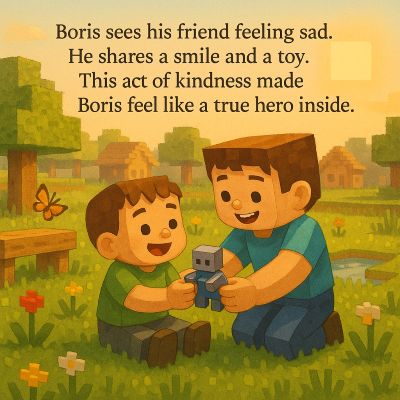
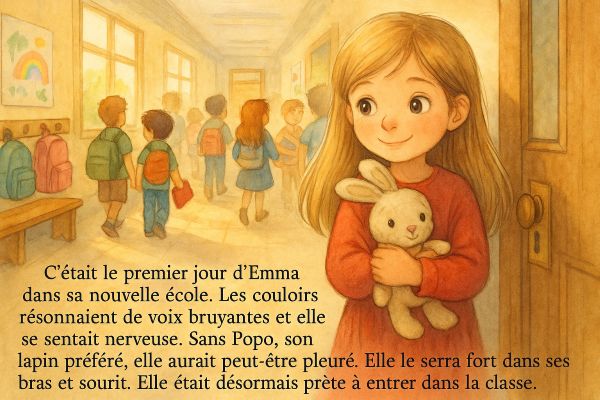
Quando i bambini si riconoscono in una storia, l'esperienza di lettura può diventare più personale e significativa dal punto di vista emotivo. Un nome familiare, un aspetto fisico o un contesto familiare possono rafforzare l'attenzione e far sentire il bambino più coinvolto nel mondo della storia.
Questo è uno dei motivi per cui i libri personalizzati spesso risultano diversi dalle storie generiche: il bambino non solo segue l'eroe, ma vive il viaggio da un punto di vista più personale.
2️⃣ Piacere della lettura, attenzione e ricordo
I bambini sono più propensi a seguire una storia quando questa risulta accessibile, pertinente e piacevole. La personalizzazione può favorire l'attenzione rendendo i dettagli familiari e più facili da apprezzare.
Noi di MIBOOKO consideriamo il piacere della lettura un obiettivo fondamentale nella progettazione dei nostri prodotti. Quando un bambino desidera riprendere in mano un libro, questo coinvolgimento ripetuto può creare le condizioni migliori per l'attenzione, l'esposizione al linguaggio e lo sviluppo di abitudini di lettura più solide.
3️⃣ Rafforzare il legame genitore-figlio attraverso la lettura condivisa
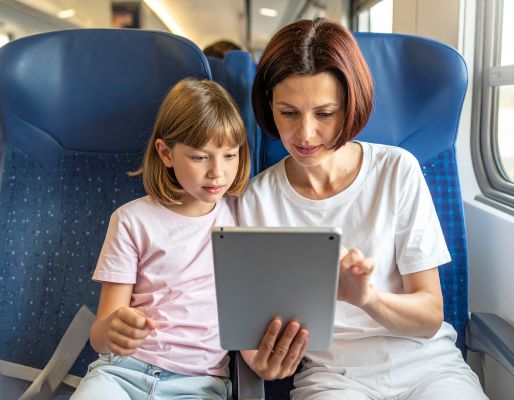
Per molte famiglie, il vero valore di un libro di fiabe non risiede solo in ciò che il bambino legge, ma anche in ciò che accade intorno alla lettura. La lettura condivisa può creare momenti di intimità, conversazione, risate, rassicurazione e riflessione.
Le storie personalizzate possono rendere quei momenti ancora più naturali, offrendo a genitori e figli qualcosa che già percepiscono come familiare, rilevante e degno di essere discusso insieme.
Cosa dicono educatori e psicologi
Nei settori più ampi dello sviluppo infantile, dell'alfabetizzazione e dei media educativi si riconosce sempre più che la qualità, la pertinenza e il coinvolgimento emotivo sono elementi importanti nelle esperienze di lettura dei bambini.
Questa sezione mette in evidenza voci, pubblicazioni e riferimenti di ricerca accessibili al pubblico che sono rilevanti per la narrazione personalizzata, la motivazione alla lettura, il coinvolgimento dei bambini e i media che tengono conto dello sviluppo infantile.
Un chiarimento importante:
I ricercatori, le istituzioni e le pubblicazioni citati in questo documento sono menzionati perché il loro lavoro pubblicato o i loro commenti pubblici sono rilevanti per questo ambito. Non sono affiliati a MIBOOKO, non hanno recensito i prodotti MIBOOKO e non ne approvano l'utilizzo, salvo diversa indicazione esplicita.
Cosa dicono le ricerche globali sullo sviluppo infantile
Nell'ambito della ricerca sull'alfabetizzazione, la psicologia dello sviluppo, la biblioterapia e i media educativi, emergono con costanza alcuni temi: i bambini traggono beneficio da esperienze di lettura coinvolgenti, emotivamente sicure, socialmente significative e connesse a una reale interazione con gli adulti.
Gli studi e i modelli presentati di seguito non "dimostrano" l'efficacia di un prodotto in particolare. Mostrano piuttosto perché la personalizzazione, la lettura condivisa e una progettazione narrativa accurata meritano di essere prese sul serio.
Il National Literacy Trust (Regno Unito)
Il piacere della lettura è un indicatore di successo più forte dello status socioeconomico.
Studi sul coinvolgimento genitori-figli
La personalizzazione raddoppia l'interazione verbale durante la lettura condivisa.
Ricerca in psicologia educativa
Le storie iperpersonalizzate migliorano la comprensione del 30%.
Quadri di biblioterapia
Le narrazioni personalizzate aiutano i bambini a esplorare e risolvere le proprie paure in modo sicuro.
In che modo questa ricerca influenza MIBOOKO
MIBOOKO utilizza questo corpus di pensiero per definire la progettazione delle storie a livello di struttura.
Ciò include:
struttura narrativa adatta all'età
ritmo emotivo adatto ai bambini
temi come fiducia, calma, empatia, amicizia e sfide quotidiane
una personalizzazione che favorisce la connessione anziché la confusione.
Esperienze di lettura pensate sia per il divertimento dei bambini che per l'uso in famiglia.
Se desideri comprendere come questi principi vengono applicati nella pratica, inclusi i limiti di sicurezza, le scelte in materia di privacy e la metodologia di qualità, visita la sezione Metodologia e sicurezza .
Note di ricerca e pubblicazioni interne di MIBOOKO
Periodicamente, MIBOOKO pubblica note di ricerca interne e documenti di sintesi che illustrano il ragionamento alla base del nostro approccio alle storie personalizzate per bambini.
Questi materiali hanno lo scopo di mostrare come interpretiamo il campo di applicazione più ampio e come traduciamo le idee rilevanti nella progettazione del prodotto. Non costituiscono una validazione indipendente e sottoposta a revisione paritaria di MIBOOKO.
Ricerca MIBOOKO: L'effetto specchio – La scienza dell'autorilevanza nello sviluppo narrativo dei bambini (edizione 2026)
[Scarica PDF]
Ricerca MIBOOKO: Il ruolo strategico delle narrazioni iperpersonalizzate nello sviluppo infantile (edizione 2025)
[Scarica PDF]
Ciò che questa pagina non afferma
Questa pagina illustra le ricerche pubblicate e le opinioni degli esperti che sono alla base dell'approccio di MIBOOKO.
Ciò non significa che:
MIBOOKO è clinicamente testato
ogni bambino vivrà la stessa esperienza
I libri di fiabe possono sostituire il supporto professionale
Ogni singolo libro viene esaminato manualmente uno per uno prima della consegna.
I ricercatori citati sono affiliati a MIBOOKO o ne sostengono l'opera, salvo diversa indicazione esplicita.
Questa distinzione è importante perché vogliamo che il nostro linguaggio rimanga accurato, preciso e affidabile.
Domande frequenti
MIBOOKO’s emphasis on “Science + Storytelling” is foundational because research confirms that the quality of media, not the quantity of screen time, determines the impact on children’s learning outcomes. Many commercially produced digital books and apps are known to be of low educational value, lack clear learning goals, and contain distracting features. Such unspecified or generic content has shown a near-zero or non-significant association with children’s vocabulary acquisition in naturalistic settings.
To mitigate these risks, MIBOOKO adopts a quality-first approach:
Purposeful Design: Content is explicitly guided by pedagogical insights and focused on three pillars: Empathy & Self-esteem, Early Literacy & Focus, and Parent-Child Bonding. This design contrasts with generic entertainment, which often yields minimal learning effects.
* Human-Augmented AI: The platform avoids generating stories “from scratch” using only AI; instead, AI acts as an augmentation tool to scale personalization within narrative frameworks defined by humans. This structured process ensures author-level quality.
* Congruency: High-quality design requires that multimedia and interactive features are congruent with the story, supporting the narrative rather than distracting from it. Distracting features consume cognitive resources needed for comprehension.
Storybook reading is a critical activity for cultivating empathy, a trait highly valued by parents (alongside honesty and self-regulation). Stories systematically support four key empathy-related skills: perspective-taking, theory of mind, emotional vocabulary/understanding, and prosocial behavior.