

























研究に基づいた子ども向け物語
MIBOOKOは、児童発達、読書への関心、共有ストーリーテリング、教育テクノロジーに関する既発表の研究成果に基づいて設計されています。
このページでは、私たちの考え方の根拠となる考え方や証拠について説明します。
MIBOOKOがこれらのアイデアを実際にどのように適用しているか(品質管理の基準、プライバシー設定、コンテンツの境界線など)をご覧になりたい場合は、弊社の「方法論と安全性」ページをご覧ください。

パーソナライズされた児童書において、なぜ調査が重要なのか
物語は単なる娯楽以上のものを支えることができます。子どもたちが自分自身が認められていると感じたり、興味を持ち続けたり、感情を探求したり、親や保護者と一緒に有意義な読書時間を楽しむのに役立ちます。
パーソナライズすることで、物語が子どもの世界により身近に感じられるようになり、その効果を高めることができます。子どもが自分の名前、外見、家族構成など、馴染みのある要素を認識すると、読書がより身近で、より意欲的で、より感情的に引き込まれるものになるかもしれません。
MIBOOKOでは、これらの知見を活かし、温かく、個人的で、発達段階を考慮したストーリー構成、感情のテンポ、読書体験を形作っています。
MIBOOKOにおける「研究に基づいた」とはどういう意味か
MIBOOKOにとって、研究に基づいたアプローチとは、誇張した約束をしたり、ストーリーテリングをセラピーとして提示したりすることではありません。それは、出版された研究成果、専門家の見解、そしてコンサルテーションを活用して、ストーリーの構成方法を形作ることを意味します。
これには以下が含まれます。
ストーリー展開の構成方法
感情的なテーマがどのように表現されるか
言語、ペース、強度を年齢に配慮した形で維持する方法
パーソナライゼーションを、混乱や操作性を招くことなく関連性を高めるためにどのように活用するか
親子で読書をする瞬間が、その体験の中心であり続ける理由
私たちの目標は、科学を過度に強調することではありません。
私たちの目標は、それを責任を持って活用し、より良い児童書を作ることです。

‘「パーソナライゼーションは、物語を単なる娯楽から、成長を促す触媒へと変貌させる。」’
子どもの成功と幸福を育むためのハイパーパーソナルナラティブの戦略的役割(2025年)
MIBOOKOの開発設計の3つの柱
1️⃣ アイデンティティ、自信、そして感情的なつながり
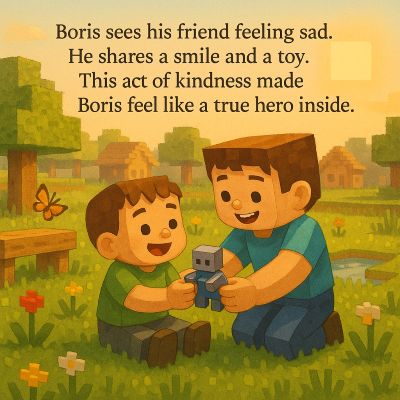
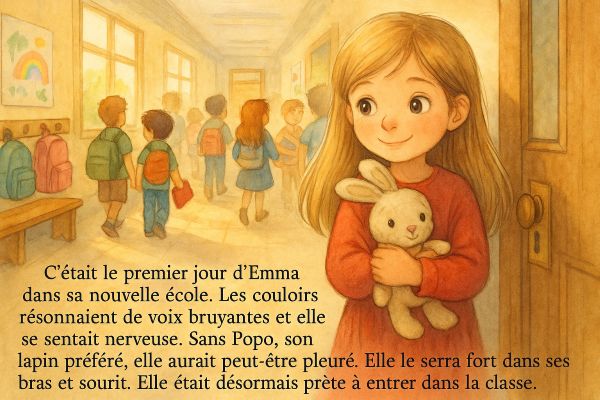
子どもたちが物語の中に自分自身を重ね合わせると、読書体験はより個人的で感情的に意義深いものになる。馴染みのある名前、容姿、あるいは家族構成などは、子どもたちの注意力を高め、物語の世界とのつながりをより強く感じさせる。
パーソナライズされた絵本が一般的な物語と異なるように感じられる理由の一つは、子どもが主人公を追いかけるだけでなく、より個人的な視点から物語を体験するからである。
2️⃣ 読書の楽しさ、注意力、記憶力
子どもたちは、物語が身近で、自分に関係があり、楽しいと感じられる場合に、より長く物語に耳を傾ける傾向があります。パーソナライズされた要素は、細部を親しみやすく感じさせ、関心を抱きやすくすることで、集中力を高めるのに役立ちます。
MIBOOKOでは、読書の楽しさを重要な設計目標として捉えています。子どもが本を何度も読みたくなるような繰り返しの読書体験は、集中力、言語への触れ合い、そしてより確かな読書習慣の育成につながると考えています。
3️⃣ 親子で一緒に読書をすることで絆を深める
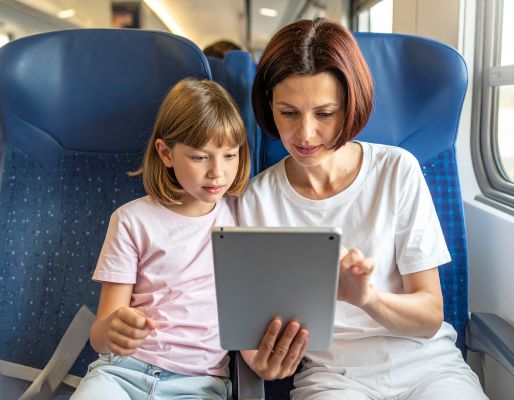
多くの家庭にとって、絵本の真の価値は、子どもが読む内容だけでなく、読書をめぐる様々な出来事にある。一緒に絵本を読むことで、親子の絆が深まり、会話が弾み、笑いが生まれ、安心感が得られ、そして内省のひとときが生まれるのだ。
パーソナライズされた物語は、親と子にとって既に馴染みがあり、関連性があり、一緒に話す価値があると感じられるものを提供することで、そうした瞬間をより自然なものに感じさせることができます。
教育者と心理学者の発言
児童発達、識字能力、教育メディアといったより広範な分野では、子どもたちの読書体験において、質、関連性、そして感情的な関わりが重要であるという認識がますます高まっている。
このセクションでは、パーソナライズされたストーリーテリング、読書意欲、子どもの関心、発達段階を考慮したメディアに関連する、厳選された意見、出版物、および一般向けの研究文献を紹介します。
重要な補足説明:
ここに引用されている研究者、機関、出版物は、その発表内容や公的な論評がこの分野に関連しているため、参照されています。これらはMIBOOKOとは一切関係がなく、MIBOOKO製品のレビューも行っておらず、特に明記されていない限りMIBOOKOを推奨するものでもありません。
世界の子どもの発達に関する研究結果
識字能力、発達心理学、読書療法、教育メディア研究といった分野全体を通して、いくつかのテーマが一貫して浮かび上がってくる。それは、子どもたちは、魅力的で、感情的に安心でき、社会的に意義があり、大人との実際の交流につながる読書体験から恩恵を受けるということである。
以下の研究や枠組みは、特定の製品を「証明」するものではありません。それらは、パーソナライゼーション、共有読書、そして思慮深いストーリーデザインが真剣に検討されるべき理由を示しています。
ナショナル・リテラシー・トラスト(英国)
読書の楽しみは、社会経済的地位よりも成功を予測する強力な指標です。.
親子の関わりに関する研究
パーソナライゼーションにより、共有読書中の口頭でのやり取りが 2 倍になります。.
教育心理学研究
超パーソナライズされたストーリーは理解力を 30% 向上させます。.
ビブリオセラピーのフレームワーク
パーソナライズされた物語は、子どもたちが安全に恐怖を探求し、解決するのに役立ちます。.
この研究がMIBOOKOにどのような影響を与えるか
MIBOOKOはこの考え方を基に、フレームワークレベルでストーリーデザインを形作っています。
これには以下が含まれます。
年齢を考慮したストーリー構成
子どもに優しい感情的なペース
自信、落ち着き、共感、友情、そして日々の課題といったテーマ
混乱ではなくつながりをサポートするパーソナライゼーション
子供の楽しみと家族での利用の両方を考慮してデザインされた読書体験
安全境界、プライバシーの選択、品質方法論など、これらの原則が実際にどのように適用されているかを理解したい場合は、 「方法論と安全性」のページをご覧ください。
MIBOOKO研究ノートおよび内部出版物
MIBOOKOは、子供向けパーソナライズストーリーに対する当社のアプローチの背景にある考え方を説明する社内研究ノートや要約文書を随時公開しています。
これらの資料は、私たちがより広い分野をどのように解釈し、関連するアイデアをどのように製品デザインに落とし込んでいるかを示すことを目的としています。これらはMIBOOKOの独立した査読による検証ではありません。
MIBOOKOリサーチ:ミラー効果 ― 子どもの物語発達における自己関連性の科学(2026年版)
[PDFをダウンロード]
MIBOOKOリサーチ:子どもの発達におけるハイパーパーソナルな物語の戦略的役割(2025年版)
[PDFをダウンロード]
このページが主張していないこと
このページでは、MIBOOKOのアプローチの根拠となる、発表済みの研究成果と専門家の見解について説明します。
それは次のことを意味するものではありません。
MIBOOKOは臨床的に証明されています
すべての子どもが同じ結果を経験する
絵本は専門家のサポートの代わりになる
すべての書籍は、発送前に手作業で一冊ずつ確認されます。
引用されている研究者は、明示的に記載されていない限り、MIBOOKOに所属しているか、MIBOOKOを支持しています。
この区別が重要なのは、私たちが言語を正確で、慎重で、信頼できるものに保ちたいからです。
よくある質問
MIBOOKO’s emphasis on “Science + Storytelling” is foundational because research confirms that the quality of media, not the quantity of screen time, determines the impact on children’s learning outcomes. Many commercially produced digital books and apps are known to be of low educational value, lack clear learning goals, and contain distracting features. Such unspecified or generic content has shown a near-zero or non-significant association with children’s vocabulary acquisition in naturalistic settings.
To mitigate these risks, MIBOOKO adopts a quality-first approach:
Purposeful Design: Content is explicitly guided by pedagogical insights and focused on three pillars: Empathy & Self-esteem, Early Literacy & Focus, and Parent-Child Bonding. This design contrasts with generic entertainment, which often yields minimal learning effects.
* Human-Augmented AI: The platform avoids generating stories “from scratch” using only AI; instead, AI acts as an augmentation tool to scale personalization within narrative frameworks defined by humans. This structured process ensures author-level quality.
* Congruency: High-quality design requires that multimedia and interactive features are congruent with the story, supporting the narrative rather than distracting from it. Distracting features consume cognitive resources needed for comprehension.
Storybook reading is a critical activity for cultivating empathy, a trait highly valued by parents (alongside honesty and self-regulation). Stories systematically support four key empathy-related skills: perspective-taking, theory of mind, emotional vocabulary/understanding, and prosocial behavior.