

























以研究为基础的儿童故事
MIBOOKO 的创作灵感来源于儿童发展、阅读参与、共享故事和教育技术领域的已发表作品。
本页阐述了我们思考背后的理念和证据。
如果您想了解 MIBOOKO 如何在实践中应用这些理念(包括质量保障、隐私选择和内容边界),请访问我们的方法论和安全页面。

为什么研究对个性化儿童书籍至关重要
故事的作用远不止娱乐。它们可以帮助孩子感受到被关注,保持专注,探索情感,并与父母或监护人一起享受有意义的阅读时光。
个性化可以增强这种效果,让故事与孩子的世界更加贴近。当孩子们认出熟悉的细节——例如他们的名字、外貌特征或家庭背景——阅读会让他们感到更加亲切、更有动力,也更能引起情感共鸣。
在 MIBOOKO,我们运用这些见解来塑造故事框架、情感节奏和阅读体验,使之感觉温暖、个性化且符合儿童发展规律。
MIBOOKO 的'研究型'理念意味着什么
对MIBOOKO而言,以研究为依据并不意味着做出夸大的承诺或将讲故事当作一种疗法。它意味着运用已发表的著作、专家观点和咨询意见来指导故事的设计。
这包括:
故事弧是如何构建的
情感主题是如何构建的
如何根据年龄调整语言、节奏和强度
如何利用个性化来提高相关性,同时避免变得混乱或具有操控性
亲子共读时光仍然是体验的核心
我们的目标不是夸大科学。
我们的目标是负责任地利用它来制作更好的儿童书籍。

‘个性化将故事讲述从娱乐转变为发展的催化剂。’
2025年,高度个性化叙事在培养儿童成功和幸福感中的战略作用
MIBOOKO发展设计的三大支柱
1️⃣身份认同、自信和情感联系
当孩子在故事中看到自己的影子时,阅读体验会变得更加亲切,也更具情感意义。熟悉的名字、外貌或家庭背景能够增强孩子的注意力,让他们与故事世界建立更紧密的联系。
这就是为什么个性化书籍往往与普通故事感觉不同的原因之一:孩子不仅是在跟随主人公,而且还从更个人的角度体验这段旅程。
2️⃣ 阅读乐趣、注意力和记忆力
如果故事内容易于理解、贴近生活且引人入胜,孩子们就更容易集中注意力。个性化的叙述方式能够让故事细节变得熟悉且更容易引起孩子的共鸣,从而帮助他们更好地集中注意力。
在MIBOOKO,我们把阅读乐趣视为一项重要的设计目标。当孩子想要再次阅读一本书时,这种反复的阅读体验能够更好地培养他们的注意力、拓展语言接触范围,并帮助他们养成更良好的阅读习惯。
3️⃣ 通过亲子共读增进亲子关系
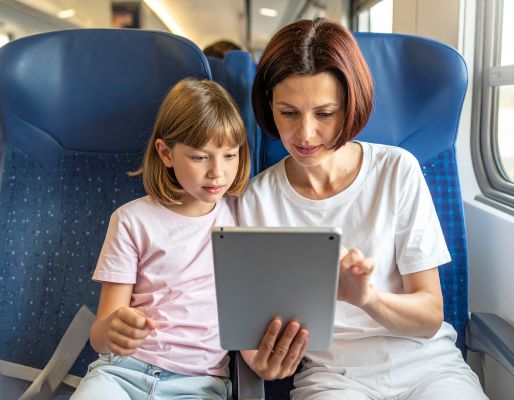
对许多家庭来说,故事书的真正价值不仅在于孩子读了什么,还在于阅读过程中发生的种种。亲子共读可以创造亲密、交流、欢笑、安慰和反思的时刻。
个性化的故事可以让父母和孩子觉得这些时刻更加自然,因为这些故事会让他们感到熟悉、相关,并且值得一起谈论。
教育家和心理学家怎么说
儿童发展、读写能力和教育媒体等更广泛的领域越来越认识到,质量、相关性和情感投入对儿童的阅读体验至关重要。
本节重点介绍与个性化故事讲述、阅读动机、儿童参与和发展性媒体相关的精选观点、出版物和面向公众的研究参考资料。
重要说明:
本文引用的研究人员、机构和出版物均因其已发表的著作或公开评论与本领域相关而被提及。他们与MIBOOKO无任何关联,未对MIBOOKO产品进行评测,且除非另有明确说明,否则不代表MIBOOKO为其背书。
全球儿童发展研究怎么说
在识字教育、发展心理学、阅读疗法和教育媒体研究中,一些主题反复出现:儿童可以从那些让他们感到投入、情感安全、具有社会意义并与成人的真实互动联系起来的阅读体验中受益。
以下研究和框架并非“证明”任何特定产品有效,而是阐明为什么个性化、共享阅读和精心设计的故事值得认真对待。
英国国家识字信托基金会
阅读兴趣比社会经济地位更能预测成功。.
亲子互动研究
个性化设计使亲子共读时的语言互动增加了一倍。.
教育心理学研究
高度个性化的故事能提高 30% 的理解能力。.
阅读疗法框架
个性化的叙事方式可以帮助孩子安全地探索和解决恐惧。.
这项研究如何为MIBOOKO提供信息
MIBOOKO运用这种思维体系,在框架层面塑造故事设计。
其中包括:
适合不同年龄段的故事结构
适合儿童的情感节奏
主题包括自信、冷静、同理心、友谊和日常挑战
个性化旨在促进沟通而非造成混乱
专为儿童娱乐和家庭使用而设计的阅读体验
如果您想了解这些原则在实践中是如何应用的——包括安全边界、隐私选择和质量方法——请访问方法论与安全。
本页未声明的内容
本页阐述了为 MIBOOKO 的方法提供依据的已发表研究和专家观点。
但这并不意味着:
MIBOOKO 经临床验证
每个孩子都会经历同样的结果
故事书可以取代专业支持
每一本书在交付前都会经过人工逐一审核。
除非另有明确说明,引用的研究人员均与 MIBOOKO 有关联或为其背书。
这种区别很重要,因为我们希望我们的语言保持准确、谨慎和值得信赖。
常问问题
MIBOOKO’s emphasis on “Science + Storytelling” is foundational because research confirms that the quality of media, not the quantity of screen time, determines the impact on children’s learning outcomes. Many commercially produced digital books and apps are known to be of low educational value, lack clear learning goals, and contain distracting features. Such unspecified or generic content has shown a near-zero or non-significant association with children’s vocabulary acquisition in naturalistic settings.
To mitigate these risks, MIBOOKO adopts a quality-first approach:
Purposeful Design: Content is explicitly guided by pedagogical insights and focused on three pillars: Empathy & Self-esteem, Early Literacy & Focus, and Parent-Child Bonding. This design contrasts with generic entertainment, which often yields minimal learning effects.
* Human-Augmented AI: The platform avoids generating stories “from scratch” using only AI; instead, AI acts as an augmentation tool to scale personalization within narrative frameworks defined by humans. This structured process ensures author-level quality.
* Congruency: High-quality design requires that multimedia and interactive features are congruent with the story, supporting the narrative rather than distracting from it. Distracting features consume cognitive resources needed for comprehension.
Storybook reading is a critical activity for cultivating empathy, a trait highly valued by parents (alongside honesty and self-regulation). Stories systematically support four key empathy-related skills: perspective-taking, theory of mind, emotional vocabulary/understanding, and prosocial behavior.